Low-Level Laser Light Therapy (LLLT) is a non-invasive treatment for hair loss and skin rejuvenation. It uses low-intensity lasers to stimulate hair follicles, improve blood circulation, and enhance cell regeneration. LLLT promotes natural hair growth, strengthens existing hair, and revitalizes the skin for a healthier, youthful appearance.
Telogen Effluvium
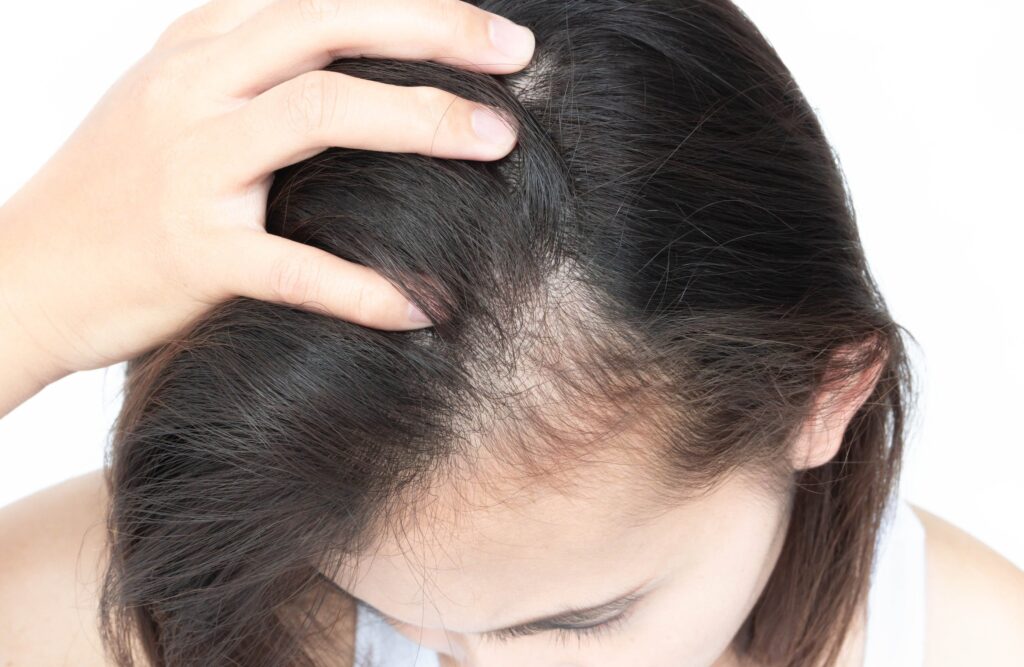
Telogen effluvium is a temporary hair loss condition triggered by stress, illness, hormonal changes, or nutritional deficiencies. It occurs when hair follicles enter the resting phase, leading to excessive shedding. While alarming, it is reversible with proper care, including a balanced diet, stress management, and scalp treatments. Explore expert advice, effective solutions, and hair care tips to restore healthy hair growth naturally.
Medical Line of Management
The medical line of management involves systematic diagnosis, treatment, and prevention of diseases using medications, therapies, and clinical procedures. It focuses on patient care, ensuring effective recovery and health maintenance. Expert guidance, personalized treatment plans, and advanced medical solutions help achieve the best outcomes for overall well-being.
PRP with Dermaroller
PRP (platelet-rich plasma) with a dermaroller is an advanced hair and skin rejuvenation treatment. PRP, rich in growth factors, is applied to the scalp or skin, while the dermaroller enhances absorption by creating microchannels. This combination stimulates collagen production, boosts hair growth, and improves skin texture naturally.
Mesotherapy with Growth Factors
Mesotherapy with growth factors is a non-invasive treatment that nourishes the scalp and skin with essential vitamins, peptides, and proteins. It stimulates hair follicles, boosts collagen production, and improves blood circulation. This therapy enhances hair regrowth, reduces thinning, and rejuvenates the skin for a healthier, youthful appearance.
GFC (Growth Factor Concentrate)
GFC (Growth Factor Concentrate) is an advanced regenerative treatment for hair loss and skin rejuvenation. It harnesses concentrated growth factors from the patient’s blood to stimulate hair follicles, enhance collagen production, and improve tissue repair. This non-invasive procedure promotes natural hair regrowth and youthful, healthy skin.
Low-Level Laser Light Therapy (LLLT)
Androgenic Alopecia
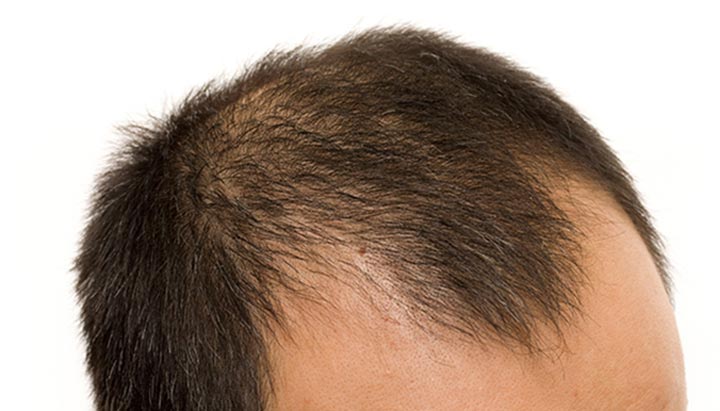
Androgenic alopecia, also known as male or female pattern baldness, is a common hair loss condition caused by genetics and hormonal imbalances. It leads to gradual thinning and hair shedding. Treatments like medications, PRP therapy, and hair transplants can help slow hair loss and promote regrowth for healthier hair.
Schedule your consultation today at The Skin Clinic and discover the freedom of smooth, hair-free skin.
Medical Line of Management
The medical management of androgenic alopecia includes FDA-approved treatments like minoxidil and finasteride to slow hair loss and stimulate regrowth. Other options include PRP therapy, GFC therapy, low-level laser therapy (LLLT), and mesotherapy. A personalized treatment plan with expert guidance helps restore hair health and prevent further thinning.
PRP with Dermaroller
PRP (Platelet-Rich Plasma) with a dermaroller is an effective treatment for androgenic alopecia. PRP, rich in growth factors, nourishes hair follicles, while the dermaroller enhances absorption by creating microchannels. This combination stimulates hair regrowth, strengthens existing hair, and improves scalp health, promoting thicker and healthier hair naturally.
Mesotherapy with Growth Factors
Mesotherapy with growth factors is a non-surgical treatment for androgenic alopecia. It delivers essential nutrients, peptides, and proteins directly into the scalp to nourish hair follicles, improve blood circulation, and stimulate hair regrowth. This therapy strengthens hair, reduces thinning, and promotes healthier, fuller hair with long-lasting results.
GFC (Growth Factor Concentrate)
GFC (Growth Factor Concentrate) therapy is an advanced treatment for androgenic alopecia. It uses highly concentrated growth factors from the patient’s blood to rejuvenate hair follicles, improve scalp health, and stimulate hair regrowth. This non-invasive procedure enhances hair thickness, reduces shedding, and promotes natural, long-lasting hair restoration.
-
Low-Level Laser Light Therapy (LLLT)
Low-Level Laser Light Therapy (LLLT) is a non-invasive treatment for androgenic alopecia. It uses low-intensity lasers to stimulate hair follicles, improve blood circulation, and enhance cell regeneration. LLLT helps slow hair loss, strengthen existing hair, and promote natural hair regrowth, making it an effective solution for thinning hair.
Alopecia Areata
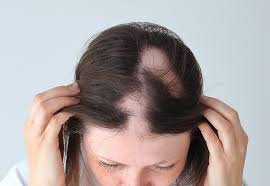
Welcome to our dedicated resource for alopecia areata, an autoimmune condition causing unpredictable hair loss. Affecting millions globally, it occurs when the immune system mistakenly attacks hair follicles. Explore the causes, various patterns of hair loss (patchy, totalis, universalis), potential triggers, and the emotional impact. Learn about diagnosis, available treatments to manage the condition and promote regrowth, and coping strategies for living well with alopecia areata.
Medical Line of Management
Treatment focuses on managing hair loss and promoting regrowth. Options include topical or injected corticosteroids for localized patches and topical minoxidil to stimulate hair growth. For extensive loss, consider topical immunotherapy or oral JAK inhibitors. No cure exists, but these treatments can help manage the condition.
Intralesional Steroid Injections
Discover intralesional corticosteroid injections, a common and effective treatment for localized alopecia areata. This involves directly injecting a small amount of steroid medication into the affected scalp areas. These injections help to reduce inflammation around the hair follicles, suppressing the immune response that contributes to hair loss and promoting regrowth. Typically administered every 4-6 weeks, this targeted therapy can be a key step in managing patchy hair loss.
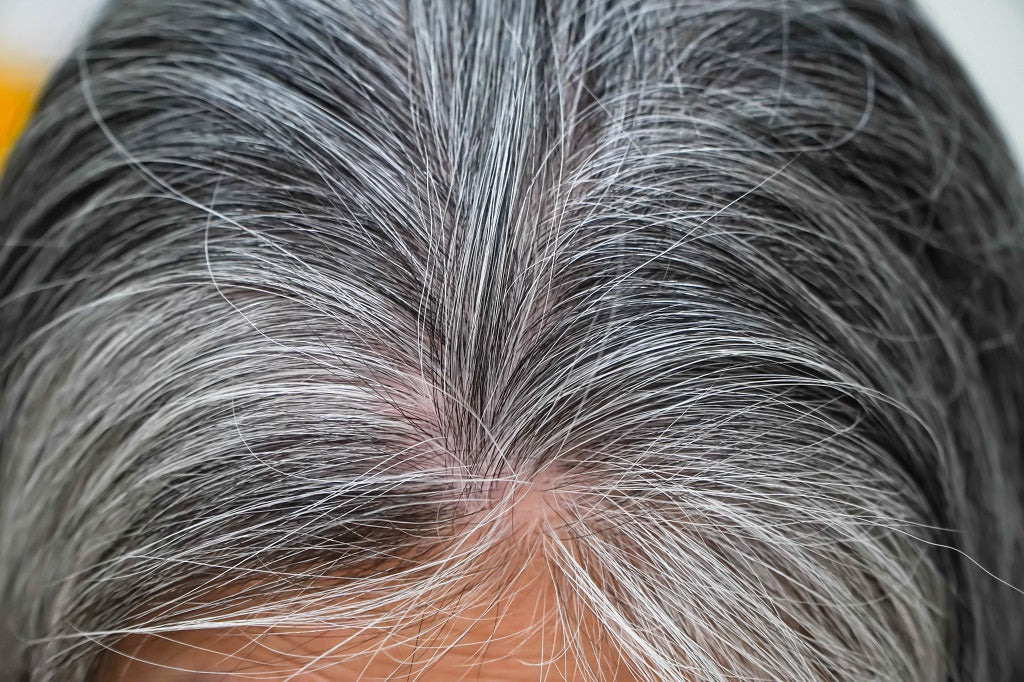
Premature Greying of Hair
Discover insights into premature greying, the early appearance of grey or white hair before the age of 30. Explore the various factors contributing to this common phenomenon, including genetics, stress, nutritional deficiencies, and certain medical conditions. Learn about lifestyle adjustments and potential remedies to slow down or manage premature greying, while embracing your natural hair journey.
Schedule your consultation today at The Skin Clinic and discover the freedom of smooth, hair-free skin.
Medical Line of Management
Medically, the initial step involves identifying any underlying causes like vitamin deficiencies (B12, D3, ferritin), thyroid issues, or autoimmune conditions through blood tests. Treatment focuses on correcting these deficiencies with supplements or managing the underlying disorder. Currently, no proven medical treatment reverses genetic premature greying, but hair dyes remain a cosmetic option.